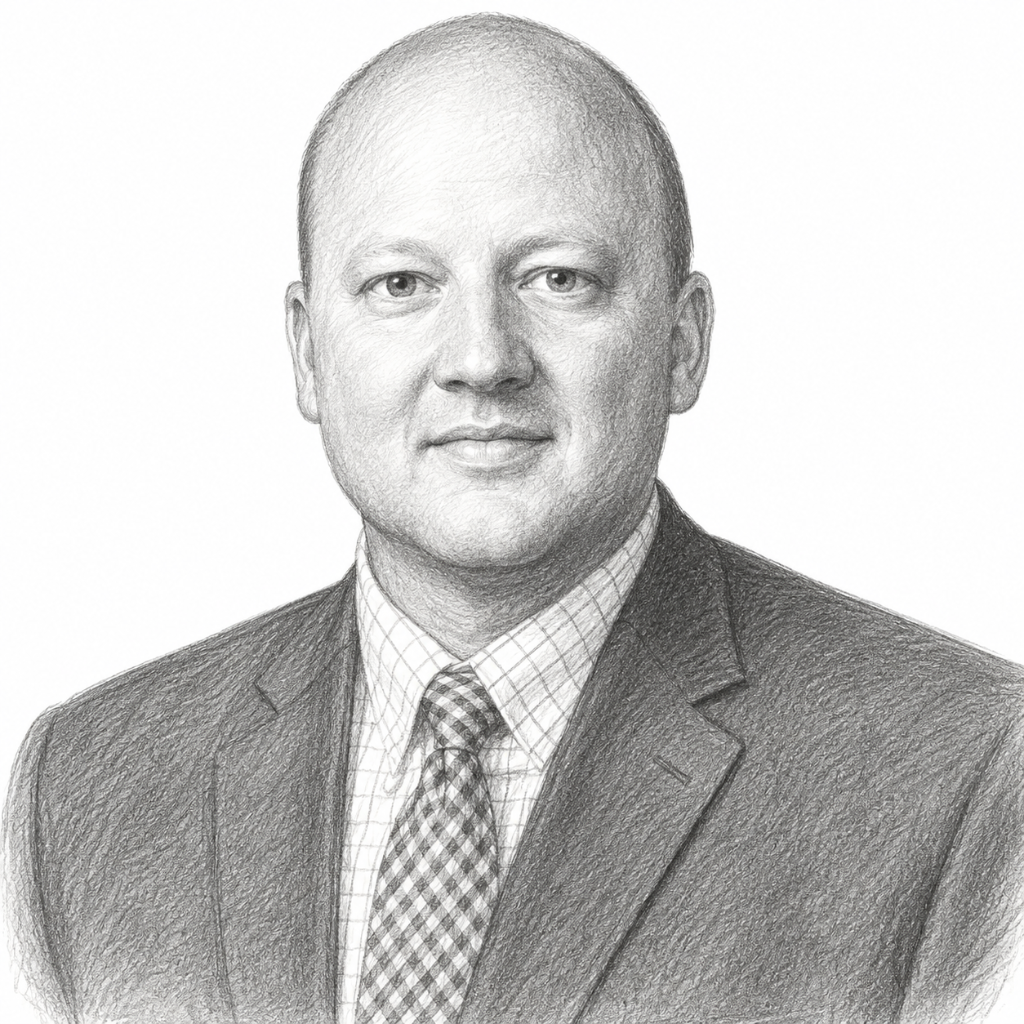
Dr. Paul Reynolds
Ph.D., Professor — Brigham Young University
Dr. Paul R. Reynolds is a Professor of Cell Biology and Physiology at Brigham Young University, where he leads the Reynolds Lab—a research group focused on the intersection of glycation chemistry, inflammation, and respiratory health.
With a Ph.D. from Cincinnati Children's Research Hospital (University of Cincinnati) and post-doctoral training at the University of Utah School of Medicine's Division of Pulmonary Medicine, Dr. Reynolds brings deep expertise in understanding how the body's gateway tissues—particularly the lungs, nasal passages, and oral cavity—respond to environmental and dietary insults.
His laboratory's core research centers on the Receptor for Advanced Glycation End-products (RAGE) and how these molecules drive chronic inflammation and disease. Advanced Glycation End-products (AGEs) are formed when sugars react with proteins and lipids, a process accelerated by processed food consumption and environmental exposures like secondhand smoke. When AGEs bind to RAGE receptors in gateway tissues, they trigger inflammatory cascades that can contribute to chronic disease.
Dr. Reynolds' work on secondhand smoke-induced chronic sinusitis has revealed how environmental toxins compromise the nasal gateway's defenses, potentially allowing pathogens to colonize and spread. This research directly connects to the broader mission of understanding nasal hygiene as a critical health intervention.
His studies on the glyoxalase system—the body's primary defense against glycation damage—and AGER1/RAGE signaling balance have opened new avenues for understanding how dietary choices affect gateway tissue health. His research on mitochondrial function and nitric oxide biology further illuminates the complex relationship between cellular metabolism, oxidative stress, and respiratory defense.
Dr. Reynolds has received numerous honors including the Parker B. Francis Fellowship in Pulmonary Research, multiple American Physiological Society Research Career Enhancement Awards, and the Respiratory Section New Investigator Award. He is a member of the American Association for Dental Research, reflecting his cross-disciplinary commitment to understanding gateway health.
His work exemplifies the emerging understanding that the mouth, nose, and respiratory system are not isolated organs but interconnected gateways whose health determines systemic outcomes.
Key Achievements
Pioneered RAGE receptor research linking glycation chemistry to chronic respiratory inflammation
Published groundbreaking studies on secondhand smoke-induced chronic sinusitis
Advanced understanding of the glyoxalase defense system against dietary glycation damage
Research on mitochondrial function and nitric oxide biology in respiratory health
Recipient of Parker B. Francis Fellowship in Pulmonary Research
Multiple American Physiological Society Research Career Enhancement Awards
NIH NHLBI Extramural Clinical Researcher Award (2008–2012)
Member of the American Association for Dental Research
Jones and Bozeman Changing Medicine's Paradigm Award (2025)

